

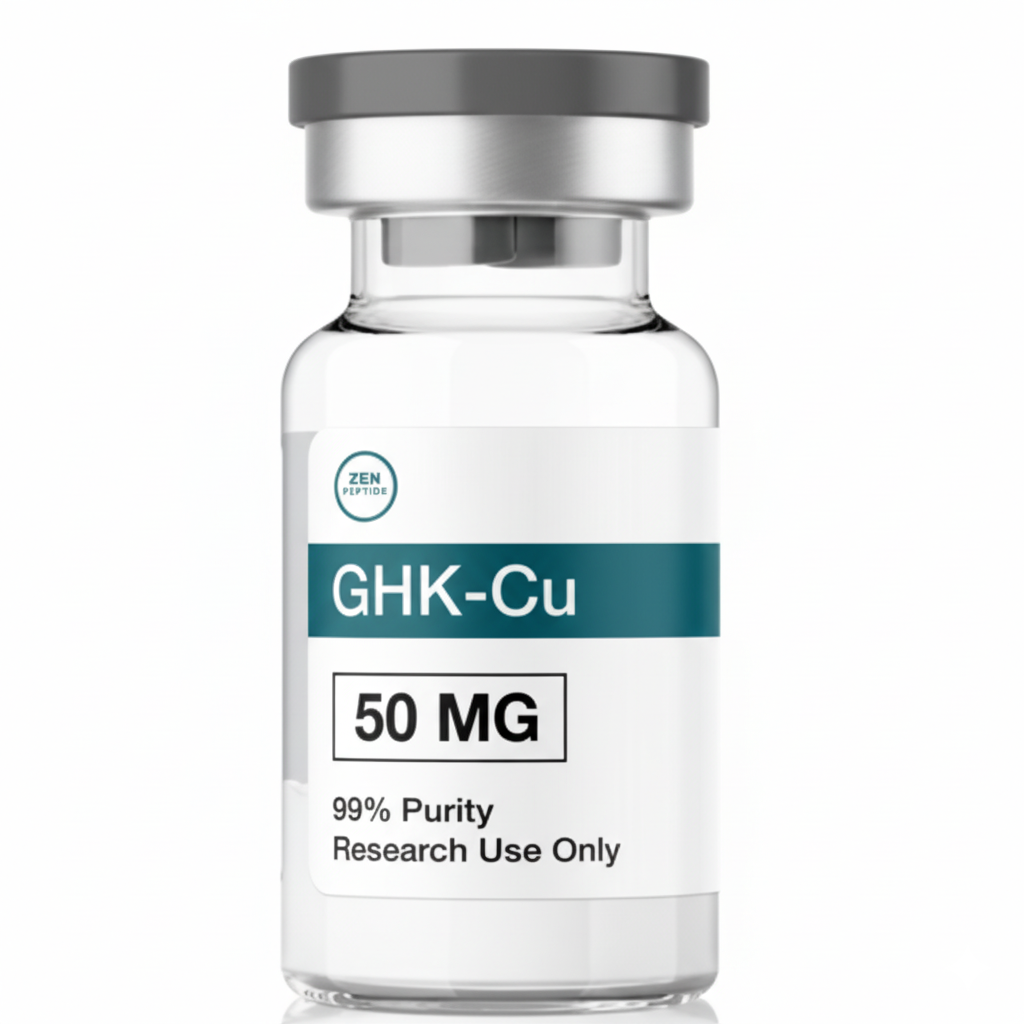



GHK-Cu Copper Peptide
$44.00 – $75.00Price range: $44.00 through $75.00
GHK-Cu: The Body’s Blueprint for Regeneration
Unlock the gold standard in cellular repair with GHK-Cu, the renowned copper peptide. As a naturally occurring compound found in human plasma, GHK-Cu is the body’s own signal for renewal and repair. Its levels decline sharply with age, but replenishing them can reactivate the skin’s regenerative potential.
From visibly reducing wrinkles and scars to promoting fuller, healthier hair, GHK-Cu is a multi-functional powerhouse revered for its profound restorative abilities.
Understanding GHK-Cu: The Ultimate Repair & Anti-Aging Peptide
GHK-Cu (Glycyl-L-Histidyl-L-Lysine) is a small, naturally occurring peptide complexed with a copper ion. First isolated in 1973, it has been a subject of intense research for decades due to its remarkable ability to orchestrate tissue remodeling and repair throughout the body.
How Does GHK-Cu Work? The Science of Regeneration
GHK-Cu’s power lies in its ability to communicate with your cells, promoting a wide range of regenerative and protective actions:
- Stimulates Collagen & Elastin: This is its most famous benefit. GHK-Cu signals skin cells (fibroblasts) to ramp up the production of collagen and elastin—the proteins that give skin its firmness and elasticity. This directly combats sagging and the formation of fine lines and wrinkles.
- Powerful Anti-Inflammatory: It helps to calm inflammation, making it excellent for soothing irritated skin, reducing redness, and accelerating the healing process.
- Promotes Wound Healing & Scar Reduction: GHK-Cu is a key player in every stage of wound healing. It helps clear damaged tissue and stimulates the production of new, healthy tissue, which can significantly reduce the appearance of scars and skin imperfections.
- Antioxidant Protection: It protects cells from free radical damage, one of the primary drivers of premature aging.
- Supports Hair Growth: GHK-Cu can increase the size of hair follicles and stimulate blood flow to the scalp, promoting thicker, stronger hair growth and potentially reversing thinning.
The Transformative Benefits of GHK-Cu
Whether used topically or systemically, GHK-Cu offers a wide array of benefits:
- For Skin: Visibly reduces fine lines & wrinkles, improves skin firmness and elasticity, evens skin tone, and enhances skin clarity and radiance.
- For Healing: Accelerates wound closure, reduces the risk of infection, and minimizes scarring.
- For Hair: Stimulates hair regrowth and increases hair thickness and follicle size.
- Systemic Benefits (Injectable): May support nerve regeneration, protect lung tissue, and offer whole-body anti-inflammatory and antioxidant effects.
How to Use GHK-Cu: Topical vs. Injectable
GHK-Cu can be utilized in two primary ways:
- Topical (Serums & Creams): The most common method for cosmetic benefits. Applied directly to the skin, it targets wrinkles, scars, and overall skin health.
- Injectable (Subcutaneous): Used for systemic benefits, such as widespread healing, post-procedure recovery, and whole-body anti-inflammatory support. This method requires a prescription and medical guidance.
4. FAQ
Frequently Asked Questions about GHK-Cu
Q: How long does it take to see results from GHK-Cu?
A: With consistent topical use, you may begin to see improvements in skin hydration and texture within a few weeks. More significant changes, like wrinkle reduction and improved firmness, typically become noticeable after 8-12 weeks.
Q: What are the potential side effects of GHK-Cu?
A: GHK-Cu is very well-tolerated as it’s a substance natural to the body. Topical application may cause mild, temporary irritation in very sensitive individuals. Injectable forms can cause temporary injection site reactions like redness or stinging.
Q: Can I use GHK-Cu with Vitamin C or Retinol?
A: Caution is advised. Highly acidic products like Vitamin C (L-Ascorbic Acid) and strong retinoids can potentially destabilize the copper peptide, reducing its effectiveness. It’s often recommended to alternate their use (e.g., GHK-Cu in the morning, Retinol at night) rather than layering them simultaneously.
Q: Is GHK-Cu better than BPC-157 for healing?
A: They work differently. BPC-157 is a systemic healing powerhouse, especially for gut health and soft tissue injuries. GHK-Cu excels at skin regeneration, wound healing, and has a strong cosmetic anti-aging profile. They can be used together in a protocol for comprehensive repair under a doctor’s supervision.
| Dosage | 50 mg x 10vials, 100mg x 10vials |
|---|
Be the first to review “GHK-Cu Copper Peptide” Cancel reply
Related products

BUY PEPTIDE

BUY PEPTIDE

BUY PEPTIDE

BUY PEPTIDE

BUY PEPTIDE

BUY PEPTIDE

BUY PEPTIDE
Reviews
There are no reviews yet.